






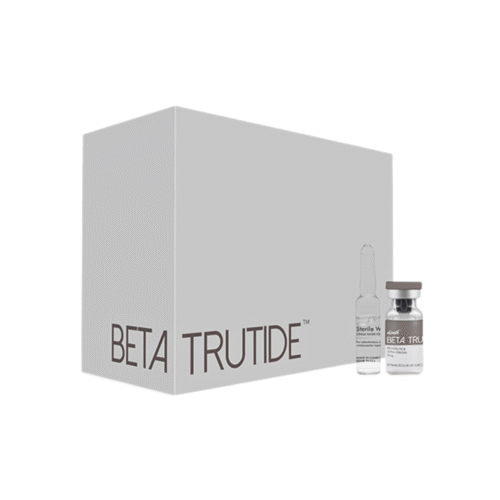
PharmaQO Retatrutide | Powerful Weight Loss Peptide
PharmaQO Retatrutide is a laboratory research peptide that has attracted significant attention due to its unique triple hormone receptor activity. Unlike earlier GLP-1 receptor agonists, Retatrutide is designed to activate three different receptors involved in appetite regulation and energy metabolism. This innovative approach has made it one of the most discussed investigational peptides in metabolic research.
Researchers have shown increasing interest in Retatrutide because of its potential effects on body weight regulation, glucose metabolism, insulin sensitivity, and overall metabolic health. Although the peptide has demonstrated promising results in clinical studies, it remains under investigation and has not been approved for general medical use in many countries.
PharmaQO manufactures Retatrutide using pharmaceutical-grade production standards intended for research purposes. The company focuses on maintaining purity, consistency, and product quality suitable for laboratory and scientific investigations.
What is Retatrutide?
Retatrutide is an investigational peptide developed to target three important hormone receptors simultaneously:
- GLP-1 (Glucagon-Like Peptide-1)
- GIP (Glucose-Dependent Insulinotropic Polypeptide)
- Glucagon Receptor
Because it activates all three pathways, Retatrutide is commonly referred to as a Triple Agonist Peptide.
Each receptor contributes differently to metabolism:
- GLP-1 helps regulate appetite and slows gastric emptying.
- GIP supports insulin secretion and glucose regulation.
- Glucagon receptor activation may increase energy expenditure and fat metabolism.
The combined activation of these receptors has generated significant interest among obesity and metabolic disease researchers.
How PharmaQO Retatrutide Works
Retatrutide influences several biological pathways associated with metabolism.
Potential mechanisms include:
- Appetite suppression
- Increased satiety
- Delayed gastric emptying
- Improved glucose control
- Enhanced insulin sensitivity
- Increased calorie expenditure
- Possible reduction in body fat
The addition of glucagon receptor activity differentiates Retatrutide from many existing GLP-1 medications and has become a major focus of ongoing research.
Potential Research Benefits
Current scientific research is investigating whether Retatrutide may contribute to:
Significant Weight Reduction
Clinical trials have reported substantial body weight reductions among participants following structured treatment protocols combined with lifestyle interventions.
Appetite Control
Many participants experienced decreased hunger and reduced calorie intake.
Blood Sugar Regulation
Retatrutide may improve glucose metabolism by enhancing insulin secretion while reducing post-meal glucose fluctuations.
Improved Metabolic Health
Researchers are evaluating improvements in:
- Waist circumference
- Blood pressure
- Cholesterol markers
- Insulin resistance
- Body composition
Fat Loss
Some evidence suggests Retatrutide may promote preferential fat loss while supporting lean tissue preservation when combined with adequate protein intake and resistance training.
Research Applications
Scientists continue studying Retatrutide for potential applications involving:
- Obesity
- Type 2 Diabetes
- Metabolic Syndrome
- Non-Alcoholic Fatty Liver Disease (NAFLD)
- Cardiometabolic Risk
- Insulin Resistance
- Energy Balance
- Appetite Regulation
Additional research is ongoing to determine long-term safety and effectiveness.
Dosage Information
Research protocols vary depending on study objectives.
Many clinical investigations have used gradual dose escalation to improve tolerability.
Typical research protocols often begin with a low weekly dose before increasing over several weeks.
Dose adjustments are generally based on:
- Study design
- Participant tolerance
- Research objectives
- Safety monitoring
Self-medication or unsupervised use is not recommended.
Administration
Retatrutide is generally investigated as a once-weekly subcutaneous injection.
Common research injection sites include:
- Abdomen
- Thigh
- Upper arm
Researchers typically rotate injection sites to minimize local irritation.
Storage Guidelines
Proper storage helps maintain peptide stability.
Recommended storage practices include:
- Refrigerate between 2°C and 8°C.
- Protect from direct sunlight.
- Avoid repeated freeze-thaw cycles.
- Store in the original packaging.
- Keep away from excessive heat.
Always follow manufacturer storage recommendations.
Possible Side Effects
Like other incretin-based peptides, Retatrutide research has reported gastrointestinal adverse effects.
Possible side effects include:
- Nausea
- Vomiting
- Diarrhea
- Constipation
- Abdominal discomfort
- Reduced appetite
- Bloating
- Fatigue
These symptoms often appear during dose escalation and may improve over time.
Who Should Avoid Retatrutide?
Retatrutide research is generally not recommended for individuals with:
- History of medullary thyroid carcinoma
- Multiple Endocrine Neoplasia Syndrome Type 2 (MEN2)
- Severe allergic reactions to peptide components
- Pregnancy
- Breastfeeding
Additional precautions may apply depending on individual medical history.
Ongoing Clinical Research
Retatrutide continues to undergo extensive clinical investigation.
Researchers are evaluating:
- Long-term weight management
- Cardiovascular outcomes
- Diabetes treatment
- Liver health
- Kidney safety
- Body composition changes
- Metabolic improvements
- Long-term tolerability
As more research becomes available, understanding of its therapeutic potential may continue to evolve.
PharmaQO Quality Standards
PharmaQO emphasizes:
- High purity manufacturing
- Batch consistency
- Quality control testing
- Professional packaging
- Research-focused production
Quality manufacturing helps ensure reproducibility in laboratory settings.
Frequently Asked Questions
Is PharmaQO Retatrutide approved for medical use?
Its approval status depends on the country and regulatory authority. Researchers should always verify current regulations.
How often is it administered?
Most clinical investigations use once-weekly administration.
Can Retatrutide replace diet and exercise?
Research protocols typically combine peptide therapy with nutritional guidance and physical activity.
How is it different from Semaglutide?
Retatrutide activates three hormone receptors (GLP-1, GIP, and glucagon), whereas Semaglutide primarily targets GLP-1.
Does it increase fat burning?
Researchers are investigating whether glucagon receptor activation contributes to increased energy expenditure and fat metabolism.
Conclusion
PharmaQO Retatrutide represents one of the most advanced investigational peptides currently being studied for metabolic health and obesity research. Its triple receptor mechanism distinguishes it from earlier therapies and has generated considerable scientific interest.
Early clinical findings suggest potential benefits for body weight reduction, appetite regulation, glucose metabolism, and overall metabolic improvement. However, additional research is necessary to establish its long-term safety, effectiveness, and appropriate clinical applications.
Individuals should never use investigational peptides without appropriate medical supervision or outside applicable regulatory guidelines.


Reviews
Clear filtersThere are no reviews yet.