








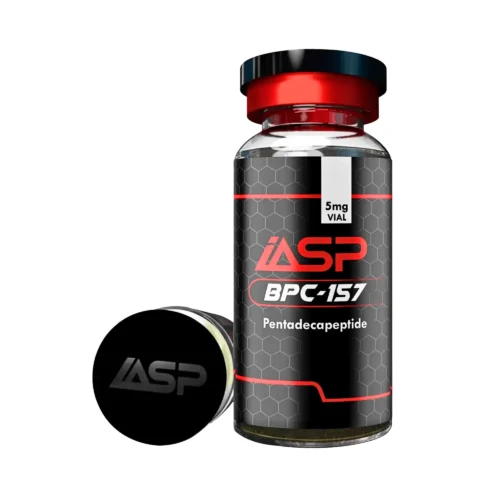
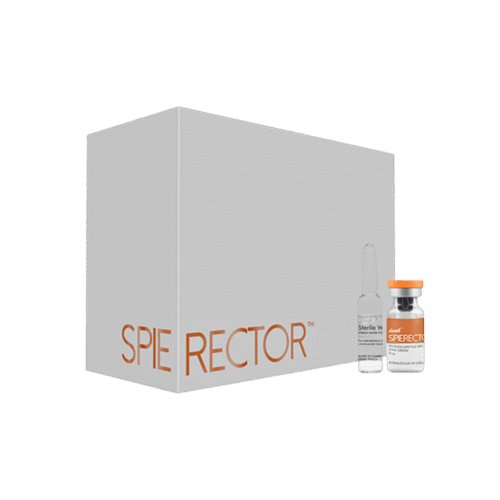
PharmaQO BPC-157 5mg | Body Protection Compound
PharmaQO BPC-157 5mg, also known as Body Protection Compound-157, is a laboratory-produced synthetic peptide that has attracted significant attention within the scientific research community. Derived from a naturally occurring protein fragment found in gastric juice, BPC-157 has been widely investigated in preclinical studies for its potential role in supporting tissue repair, cellular regeneration, angiogenesis, and gastrointestinal protection.
Researchers continue to study BPC-157 because of its unique biological activity and broad range of experimental applications. Although it is popular in research laboratories worldwide, it is important to understand that BPC-157 is not approved for human therapeutic use by major regulatory authorities, and current evidence is primarily limited to animal and laboratory studies.
PharmaQO manufactures BPC-157 using high-quality production standards to deliver purity, consistency, and reliability for research purposes.
What is BPC-157?
BPC-157 stands for Body Protection Compound-157, a synthetic peptide consisting of 15 amino acids. It is derived from a naturally occurring protective protein found within the human stomach.
Scientists have investigated this peptide because of its remarkable stability in acidic environments and its possible ability to influence several biological pathways involved in tissue repair and healing.
Unlike anabolic steroids or growth hormones, BPC-157 is classified as a research peptide. Its mechanism appears to involve multiple cellular signaling pathways rather than acting directly as a hormone.
Research Areas of BPC-157
Preclinical research has explored BPC-157 in several areas, including:
- Tendon repair
- Ligament recovery
- Muscle tissue regeneration
- Gastrointestinal protection
- Ulcer healing
- Joint health
- Bone healing
- Blood vessel formation (angiogenesis)
- Cellular regeneration
- Nerve regeneration
- Inflammatory response modulation
Most available evidence comes from laboratory and animal models, and additional human clinical research is required.
Potential Research Mechanisms
Scientists believe BPC-157 may influence several biological mechanisms:
Cellular Regeneration
Experimental studies suggest BPC-157 may stimulate cellular repair processes involved in damaged tissues.
Angiogenesis Support
Researchers have investigated its potential role in promoting new blood vessel formation, which may assist nutrient delivery to injured tissue.
Collagen Formation
Collagen is an essential structural protein in tendons, ligaments, and skin. Laboratory studies indicate BPC-157 may influence collagen synthesis.
Gastrointestinal Protection
Because BPC-157 originates from gastric proteins, it has been widely researched for protecting stomach lining and intestinal tissues in experimental models.
Inflammatory Regulation
Some studies suggest BPC-157 may influence inflammatory signaling pathways, although further investigation is required.
Areas Being Investigated
Current laboratory research includes:
- Sports injury models
- Connective tissue healing
- Muscle recovery
- Tendon regeneration
- Ligament repair
- Gastrointestinal disorders
- Nerve injury models
- Bone fracture healing
- Skin wound recovery
These applications remain investigational and should not be interpreted as established medical uses.
Why Choose PharmaQO BPC-157?
PharmaQO has developed a strong reputation within the research peptide industry by emphasizing quality manufacturing and product consistency.
Features include:
- 5mg BPC-157 per vial
- High purity research peptide
- Sterile lyophilized powder
- Laboratory tested
- Reliable manufacturing standards
- Consistent batch quality
- Suitable for scientific research
- Secure packaging
Product Specifications
Brand: PharmaQO
Compound: BPC-157
Strength: 5mg
Form: Lyophilized peptide powder
Category: Research Peptide
Packaging: Sterile sealed vial
Research Grade: Yes
Storage Recommendations
To preserve peptide stability:
- Store refrigerated between 2°C–8°C before reconstitution.
- Protect from direct sunlight.
- Avoid excessive heat.
- After reconstitution, follow proper laboratory storage procedures.
- Do not repeatedly freeze and thaw.
Proper storage helps maintain peptide integrity during research.
Laboratory Handling
Researchers generally recommend:
- Maintaining sterile handling techniques.
- Using appropriate laboratory equipment.
- Recording batch information.
- Following institutional research protocols.
- Avoiding contamination during preparation.
Quality Assurance
PharmaQO emphasizes manufacturing quality through:
- High-purity raw materials
- Controlled production environments
- Batch consistency
- Laboratory quality control
- Secure packaging
- Product traceability
Frequently Asked Questions
What is PharmaQO BPC-157 used for?
It is a research peptide commonly investigated in laboratory studies involving tissue repair, gastrointestinal protection, connective tissue healing, and cellular regeneration.
Is BPC-157 a steroid?
No. BPC-157 is a synthetic peptide and is not classified as an anabolic steroid or hormone.
Is this product suitable for bodybuilding?
Some researchers investigate BPC-157 in models related to muscle and connective tissue recovery. However, it is not approved as a bodybuilding supplement or performance-enhancing drug.
Does BPC-157 require refrigeration?
Yes. Refrigerated storage is generally recommended to maintain peptide stability.
Is PharmaQO BPC-157 pharmaceutical grade?
It is manufactured as a research-grade peptide using quality manufacturing practices.
Why Researchers Select BPC-157
Interest in BPC-157 continues to grow because laboratory findings suggest it may influence multiple biological systems simultaneously. Rather than focusing on a single pathway, researchers continue exploring its potential interactions with:
- Connective tissue
- Blood vessels
- Gastrointestinal tissue
- Muscles
- Bones
- Tendons
- Ligaments
- Nerves
This broad research profile has made BPC-157 one of the most studied peptides in experimental regenerative medicine.
Important Information
BPC-157 remains an investigational research peptide. While laboratory findings are promising, current evidence is insufficient to establish safety or effectiveness for treating medical conditions in humans. Anyone seeking treatment for injuries or health concerns should consult a qualified healthcare professional.


Reviews
Clear filtersThere are no reviews yet.